Discover why 78% of SMBs struggle to implement effective tariff responses and learn practical strategies to overcome organizational barriers and technology gaps.
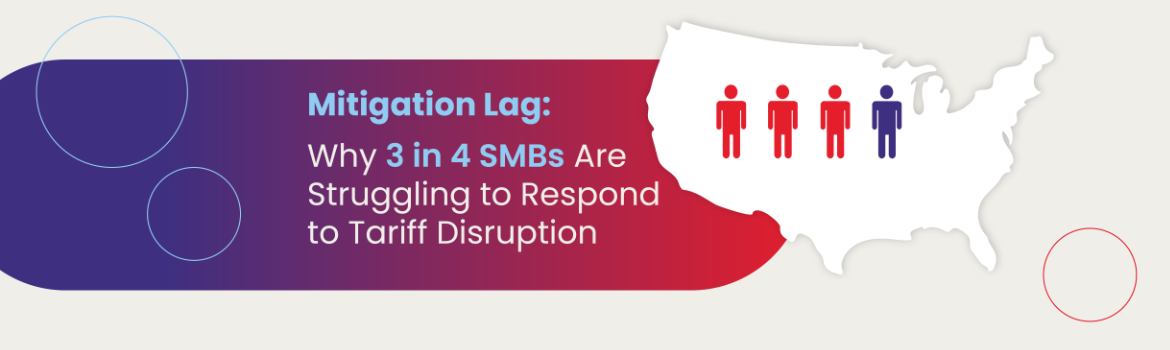
A startling statistic has emerged: only 22% of small and midsize businesses (SMBs) have effectively implemented strategies to tackle tariff disruptions. This leaves a staggering 75% of these businesses at a disadvantage, vulnerable to ongoing shifts in tariff regulations. This delay, aptly termed “mitigation lag,” describes the costly delay between recognizing tariff risks and taking proactive steps to manage them. The consequences are significant: businesses that lag in their tariff response (or any disruptive event, really)expose themselves to competitive disadvantages, cash flow challenges, and supply chain instability.
So, why are so many SMBs caught in this trap? As tariff response strategies become increasingly critical for survival, companies must transition from a reactive, wait-and-see stance to a proactive approach.
Let’s explore the factors contributing to mitigation lag, the inherent risks of hesitation, and actionable steps SMBs can take to foster resilience in this trade environment.
The 57% problem: understanding the “wait‑and‑see” approach
Research from Netstock reveals a concerning trend: over half of SMBs, 57%, adopt a cautious “wait-and-see” posture in response to tariff changes. This approach often means delaying crucial decisions while hoping for clarity on tariff rates or potential relief measures. While it’s understandable to seek more information, this mindset can lead to significant consequences.
Staying passive can result in lost margins, as rising costs accumulate before they’re addressed. Additionally, delayed adjustments to the supply chain can create inventory shortfalls or surpluses, allowing faster competitors to seize market opportunities. For instance, a small electronics distributor may find themselves missing key reorder windows, facing inventory shortages at the exact moment demand skyrockets. The reality is clear: for SMBs, this wait-and-see attitude risks immediate financial harm and can create a lasting competitive disadvantage.
Barriers to effective response
Understanding the barriers preventing many SMBs from overcoming mitigation lag is crucial. Here are some key challenges:
- Expertise gaps: Many SMBs lack tariff and trade expertise across finance, procurement, and supply chain functions. This siloed knowledge hinders coordinated responses. Without subject matter experts, it’s difficult to craft effective strategies.
- Fragmented data: Disconnected systems and data silos limit visibility into inventory, costs, and supplier performance, essential inputs for tariff strategy.
- Limited supplier leverage: Smaller buyers often lack negotiation power to adjust terms or share tariff risks with suppliers.
Netstock’s research confirms this: only 22% of SMBs have implemented structured tariff response strategies. Overcoming these human and structural barriers is essential for improving SMB tariff readiness.
The technology gap
Advanced analytics could revolutionize tariff management for SMBs, yet only about 12% currently utilize these tools for scenario planning and optimization. Many businesses find themselves relying on guesswork instead of informed strategies, missing opportunities for proactive decision-making and “what-if” scenarios.
The good news is that there are accessible analytics frameworks, like inventory and demand planning solutions with built-in AI tools and user-friendly dashboards that can empower SMBs to enhance their tariff management capabilities significantly.

Actionable solutions to accelerate response
To break free from mitigation lag, SMBs must focus on adapting to tariff changes. Here are a few actionable steps to take:
Building cross‑functional tariff impact teams
Establish teams spanning procurement, finance, operations, and sales to foster faster, better-informed decisions. Cross-functional collaboration improves data sharing and aligns strategies across departments. For example, a team meeting regularly to review tariff updates and inventory planning charts can quickly pivot tactics.
Embrace simplified analytics
You don’t need to be a data scientist to understand the impact of rising tariffs. Demand planning solutions with built-in analytics and scenario modeling, like Netstock, can do the heavy lifting for you, showing how cost changes affect your inventory in real time. That means faster decisions, clearer insights, and fewer spreadsheet headaches.
Implement tactical inventory adjustments
Implement safety stock or alternate shipping timelines as short-term hedges while longer-term sourcing strategies evolve. Netstock recommends adjusting safety stock levels to proactively absorb tariff shocks.
Create robust supplier communication protocols
Develop structured communication channels with suppliers to share cost changes, renegotiate terms, and jointly forecast tariff impacts. Flexible contracts or cost-sharing agreements can mitigate risks for both parties.

Engage in financial planning for tariff transition
Conduct comprehensive cash flow forecasting and stress-testing to prepare for tariff-related impacts. Use fintech solutions or alternative credit options to maintain liquidity. Budgeting for tariff costs and holding reserves ensures smoother transitions.
Seize the opportunity
Mitigation lag poses a serious threat, leaving 75% of SMBs vulnerable to costly tariff disruptions. With the right inventory and demand planning tools and a proactive mindset, SMBs can overcome disruption, turn uncertainty into insight, and plan with confidence. Netstock’s planning solutions make it easier to model scenarios, align teams, and take control of your inventory, even in a turbulent tariff landscape.