Netstock’s AI uses your ERP data to recommend inventory and demand planning actions. It never pulls information from the internet or guesses based on prompts.
AI is changing inventory planning, but its real value isn’t how impressive its answers sound. It’s whether AI helps businesses make better inventory planning decisions and act before problems affect customer service, cash flow and operations.
Inventory is easily the largest asset on a product-based business’s balance sheet. Managed well, it facilitates orders and keeps customers coming back. But when managed poorly, inventory can be a liability that drains cash.
Your ERP tells you what sold last month, but it won’t tell you what to order this week. So your team is sitting through demos of supply chain planning software, trying to tell the vendors apart. Does this sound familiar?
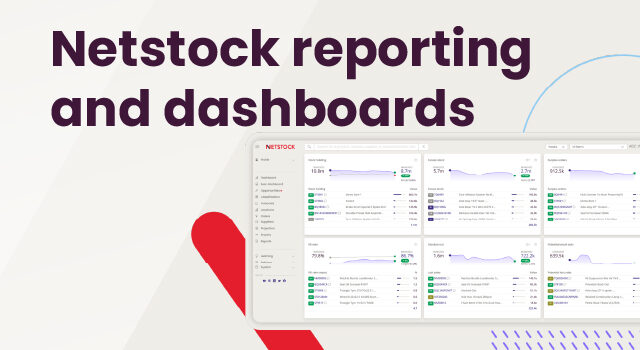
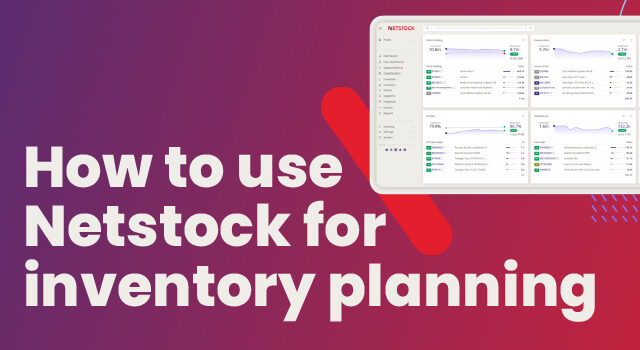
Netstock reporting is built for everyone who relies on inventory data, not only the people who plan it.Planners, buyers, finance and executives each get their own view of the same data in Netstock, from ready-made dashboards to custom reports planners build themselves.
Generative AI platforms such as Microsoft Copilot and ChatGPT offer valuable assistance in forecasting, yet they fall short of fully supplanting purpose-built demand planning platforms, particularly for scaling organizations managing complex supply chains.
Your supplier says your order will arrive in 30 days, so you plan your inventory around a 30-day lead time. But what happens when that order arrives in 38 days? Then the next one arrives in 27 days, and the next order takes 45 days?
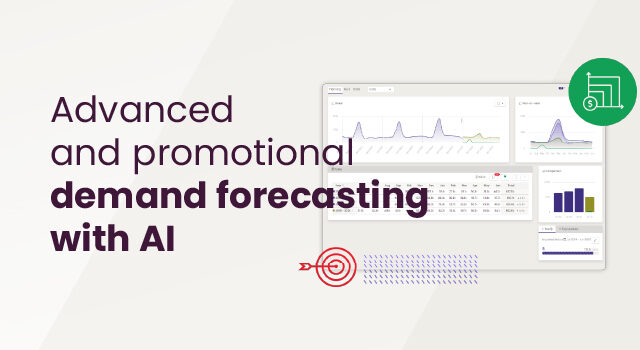
When a product with baseline sales of 1,000 units per month experiences a promotional surge to 1,800 units, traditional forecasting models immediately break down.
For inventory planning managers of small- to medium-sized businesses, giving CFOs, ops VPs, and business owners clear visibility into inventory health is often an uphill battle.
In simple terms, supply chain automation refers to the use of software, AI, and connected devices to enhance and streamline planning, procurement, and logistics tasks with minimal human intervention.
Supply chain integration is the strategic alignment of processes, systems, and information sharing among suppliers, internal departments, and customers.
Supply chain analytics transform raw ERP data into insights that help planning teams reduce stock-outs, minimize excess inventory to release working capital, and make faster decisions.
Inventory planning is a daily balancing act. You’re looking at demand, stock levels, lead times, supplier performance, and hundreds of individual SKUs. Then, you need to decide what needs attention and what action to take.
Most inventory teams know what they want: fewer stock-outs, less excess, and orders shipped on time. The gap they need to bridge is seldom a lack of ambition but rather a lack of structure.
Every production decision comes down to a simple question: do you build inventory before customers order, or after? Push manufacturing bets on forecasts. Pull manufacturing waits for real demand.
Definition: Supply chain planning is the process of forecasting demand and coordinating inventory, supply, procurement, production, and distribution. The goal is to get the right products to the right place at the right time. Done well, it minimizes costs and risk.
Sales, Inventory, and Operations Planning (SIOP) provides a structured process for eliminating organizational silos and unifying sales, inventory, operations, and finance.
Supply chains rarely go exactly to what’s planned. Changes in supply and demand is a constant, and unexpected disruptions can happen with little warning.
Most supply chain teams already have access to dashboards, ERP reports, and supplier data. What they miss out on are the actionable insights into what needs attention before it affects inventory, customer service, or business performance.
Most inventory planners already know their inventory records aren’t perfect, but determining exactly how accurate or inaccurate they are is a challenge, partly because it involves identifying discrepancies and deciding what to do about them.