Definition: Supply chain planning is the process of forecasting demand and coordinating inventory, supply, procurement, production, and distribution. The goal is to get the right products to the right place at the right time. Done well, it minimizes costs and risk.
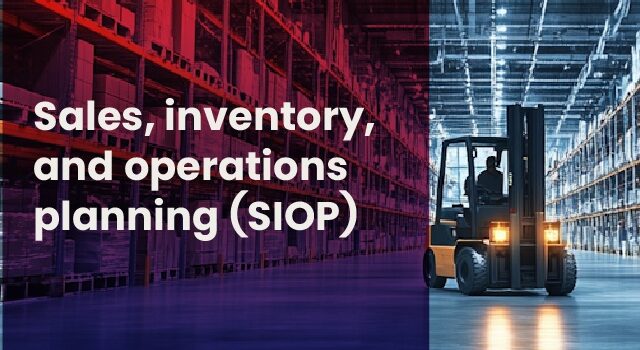
Sales, Inventory, and Operations Planning (SIOP) provides a structured process for eliminating organizational silos and unifying sales, inventory, operations, and finance.
Supply chains rarely go exactly to what’s planned. Changes in supply and demand is a constant, and unexpected disruptions can happen with little warning.
Most supply chain teams already have access to dashboards, ERP reports, and supplier data. What they miss out on are the actionable insights into what needs attention before it affects inventory, customer service, or business performance.
Most inventory planners already know their inventory records aren’t perfect, but determining exactly how accurate or inaccurate they are is a challenge, partly because it involves identifying discrepancies and deciding what to do about them.
Two retailers can face the same market conditions yet experience wildly different realities when it comes to how quickly inventory moves throughout the business.
A business relying on fixed reorder rules often reacts too late to demand changes, which leads to missed sales opportunities in high-demand items and unnecessary capital tied up in slower-moving stock.
Every supply chain team reaches a point where the tools they rely on start to fall short. Spreadsheets become harder to manage, stock-outs become more frequent, and planning decisions start taking longer than they should.
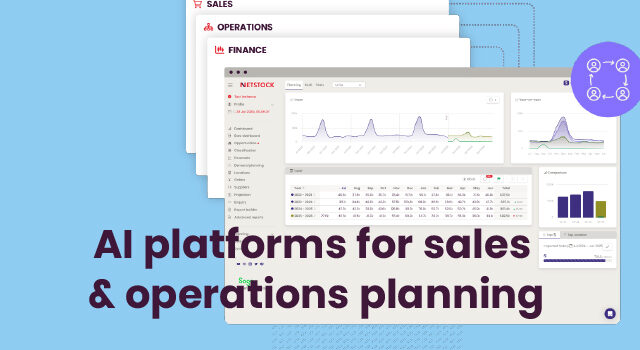
AI platforms for sales and operations planning improve forecast alignment by connecting demand, supply, and financial data in real time. The result is fewer delays and fewer inconsistencies across teams.
Using AI to optimize your supply chain planning improves how businesses forecast demand, position inventory, and respond to supplier risk by continuously analyzing real-time data instead of relying on fixed planning rules.
Netstock is now recognized as a Leader and Momentum Leader in five G2 categories, based on customer experiences in today’s complex supply chain planning environment.
2026 is not being shaped by one major supply chain disruption. It is the constant buildup of smaller pressures that is creating the biggest strain on businesses.
Launching a new product always comes with a familiar tension. Yes, it’s exciting, but you need to decide how much inventory to bring in, and there’s no sales history to guide you. The stakes are high.
Retail management is the cornerstone of properly stocked shelves, happy customers, and smooth operations, yet perfecting it is far from simple. The gap between businesses mastering their inventory and those falling behind industry competitors is striking.
A retailer with dozens of stores and a growing eCommerce channel starts to notice a pattern. Bestsellers are out of stock in some locations while excess inventory builds up in others.
Your production line is booked to full capacity next week. Suddenly, a critical raw material is in short supply, and a key supplier shipment arrives five days late.
In the past year, your team improved forecast accuracy by five percent, yet stock-outs continue. Excess inventory still builds in certain categories. Purchasing and sales disagree about what the numbers actually mean.